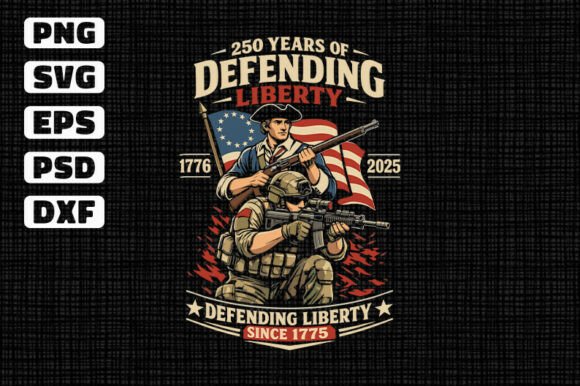
Defending Liberty 250 Years Graphics for T-Shirt Designs
As a digital publisher who has spent over a decade refining the visual identity of high-traffic blogs and editorial platforms, I approach every new graphic design asset with a critical eye. It is not enough for an image to simply look good; it must perform. It must hold up under the scrutiny of mobile screens, integrate seamlessly into complex web design layouts, and convey an immediate emotional hook to the reader. Recently, I evaluated the Defending Liberty 250 Years Design for potential use in a series of patriotic content campaigns, and the results were illuminating regarding how specific thematic assets can elevate content marketing efforts.
First Impressions and Editorial Mood
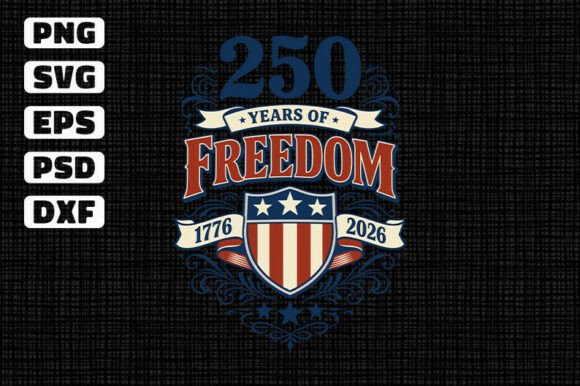
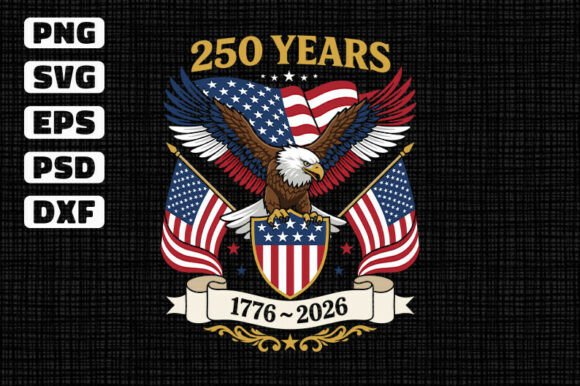
The moment I opened the files for the Defending Liberty 250 Years Design, the visual weight of the piece was apparent. This is not a minimalist or playful graphic. It carries a bold, authoritative presence that naturally supports niches focused on history, military appreciation, national pride, and heritage. The detailed military-themed illustration, combined with classic American flag elements, creates an editorial mood that is both respectful and celebratory.
For bloggers and website owners, this distinction is crucial. When you place this asset on a page, you are signaling to your audience that the content is serious, grounded, and emotionally resonant. It does not feel like a fleeting trend; rather, it feels like a permanent fixture of small business branding for those in the patriotic niche. The design avoids the cluttered look of low-effort clip art, offering instead a polished aesthetic that builds immediate reader trust.
Integrating the Asset into Publishing Workflows
In my workflow, versatility is king. A single purchase from a creative marketplace needs to work across multiple channels. The Defending Liberty 250 Years Design excels here because it is provided in a comprehensive suite of formats, including SVG, PNG, EPS, PSD, and DXF. This variety allows for seamless integration into various blog graphics and promotional materials.
- Pinterest Pins: The vertical adaptability of the design makes it ideal for creating high-click-through pins. The bold imagery stands out in a crowded feed, drawing the eye before the user even reads the headline.
- Website Headers: When used as a website header background or accent, the design anchors the page. It provides a strong visual hierarchy that guides the reader’s attention toward the main call-to-action or featured article.
- Newsletter Graphics: In email marketing, visual consistency is key. Using this asset in newsletter headers reinforces brand identity and ensures that subscribers recognize your content instantly in their inbox.
- Digital Products: For creators selling digital guides or eBooks, this design serves as an excellent cover element or chapter divider, adding perceived value to the digital download.
Enhancing Content Performance and Visual Hierarchy
The primary goal of any editorial design is to keep the reader engaged. The Defending Liberty 250 Years Design contributes to this by establishing a clear visual hierarchy. Because the illustration is detailed yet structured, it does not compete with text when used correctly. Instead, it frames the content. I found that when paired with strong, sans-serif headlines, the design created a modern, clean look that felt professional and authoritative.
This is particularly valuable for affiliate marketing sites where trust is the currency. A polished, cohesive visual presentation suggests that the publisher cares about quality, which translates to higher confidence in product recommendations. Whether you are creating social media graphics for Instagram or Facebook, or designing a Canva template for your team, the consistent use of this asset strengthens your visual identity.
Strategic Placement and Cautionary Notes
While the design is powerful, it requires strategic placement. It works best in hero images, article thumbnails, and dedicated lead magnet covers. However, publishers should exercise caution when using it in small mobile thumbnails or text-heavy blog images. The intricate details of the military illustration and flag elements may lose clarity at very small sizes, potentially appearing muddy.
Additionally, this asset is not suitable for every niche. If your website focuses on corporate finance, minimal tech reviews, or soft lifestyle topics, the bold patriotic theme may clash with your existing brand identity. It is essential to ensure that the tone of the graphic aligns with the voice of your written content. For serious professional niches that require a very minimal visual system, this design might be too decorative.
Practical Publisher Notes for Implementation
Before deploying the Defending Liberty 250 Years Design across your platform, I recommend a rigorous testing phase. First, preview the asset inside a real blog layout on both desktop and mobile devices. Check how it looks as a thumbnail versus a full-width banner. Test the contrast and readability by placing it against different background colors. I found that it pairs exceptionally well with serif fonts for a traditional look, but also holds its own against modern display fonts.
From a technical standpoint, always review file size for web performance. While the SVG format is lightweight and scalable, the high-resolution PNGs should be compressed properly to ensure fast load times. Slow-loading images can hurt SEO and user experience. Finally, confirm the commercial license terms before using the design on monetized websites, affiliate pages, or paid content products. Understanding the rights associated with your design assets is critical for long-term business safety.
Ultimately, the Defending Liberty 250 Years Design is more than just a collection of T-Shirt Designs or static Graphics. It is a versatile tool for storytellers. When used with intention, it enhances the narrative, supports the brand, and creates a memorable visual experience for your audience. For publishers looking to add depth and professionalism to their patriotic or historical content, this asset is a worthy addition to their creative toolkit.