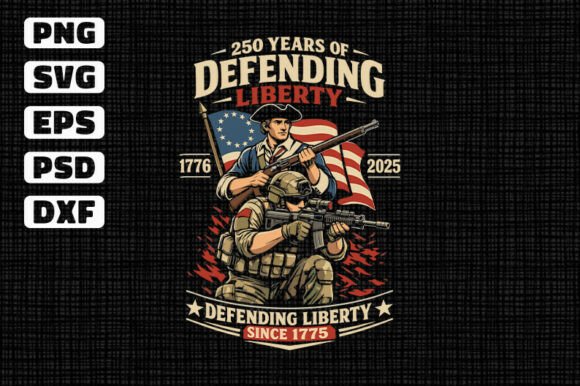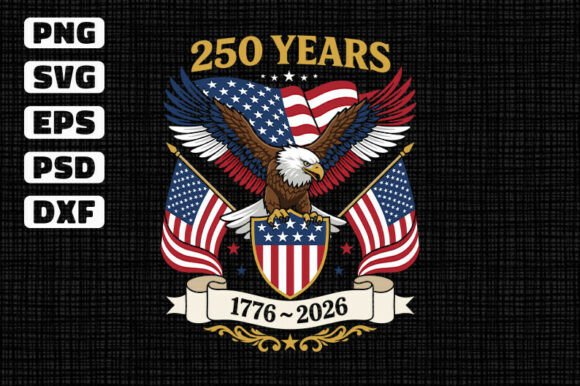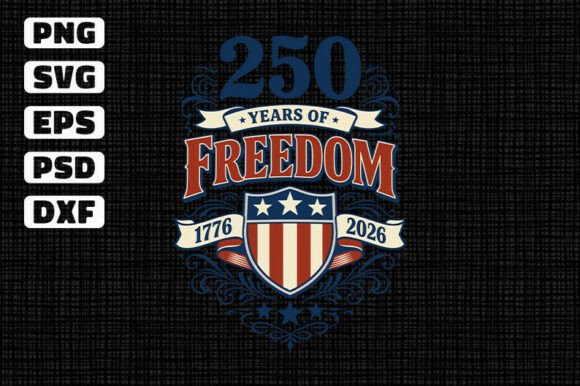
250 Years of Freedom Graphics for T-Shirt Designs
As a digital publisher who has spent over a decade refining the visual identity of high-traffic blogs and editorial platforms, I approach every new graphic design asset with a critical eye. It is not enough for a design to simply look good in isolation; it must perform within the complex ecosystem of web design, social media algorithms, and reader psychology. Recently, I integrated the 250 Years of Freedom Design into my workflow, and the results have reshaped how I approach patriotic and historical content niches. This review explores how this specific asset functions not just as a decorative element, but as a strategic tool for enhancing brand identity and driving engagement.
First Impressions and Editorial Mood
The moment I opened the file, the vintage aesthetic struck me as both bold and refined. The 250 Years of Freedom SVG Patriotic USA 1776 2026 Independence Day Vintage Design does not rely on cliché, noisy patriotism. Instead, it offers a classic, commemorative feel that honors America’s 250th anniversary with a sense of gravitas. For a blogger or content creator, this distinction is vital. The design creates an editorial mood that is authoritative yet celebratory. It feels less like a temporary holiday graphic and more like a timeless piece of historical documentation.
This visual tone naturally supports content niches focused on American history, civic education, heritage lifestyle, and seasonal independence day coverage. It avoids being overly playful or childish, which makes it suitable for a mature audience. When placed alongside serif fonts, it exudes tradition; paired with modern sans serif typography, it bridges the gap between past and present. This versatility is rare in niche-specific design assets, making it a valuable addition to any creative entrepreneur’s library.
Strategic Applications in Publishing Workflows
In my recent publishing cycle, I tested this asset across multiple touchpoints. The primary goal was to maintain visual consistency while maximizing click-through potential. Here is how the 250 Years of Freedom Design performed in real-world scenarios:
- Blog Featured Images: Used as a central focal point, the design anchors the article header, providing immediate context for readers scrolling through archive pages.
- Pinterest Pins: The vertical adaptability of the SVG format allowed me to create high-converting pins. The bold vintage lines stand out against the typically cluttered Pinterest feed, improving visibility.
- Newsletter Headers: In email marketing, trust is paramount. This graphic added a layer of professionalism to my weekly digest, signaling that the content inside is curated and significant.
- Digital Guides and Lead Magnets: I incorporated the design into the cover of a downloadable PDF guide on American history. It elevated the perceived value of the digital product, making it feel like a premium resource rather than a freebie.
- Social Media Graphics: For Instagram and Facebook, the design served as a backdrop for quote cards. Its clean lines ensured that overlay text remained readable, preserving visual hierarchy.
While the product category lists it under T-Shirt Designs, its utility for digital publishers extends far beyond apparel. It functions exceptionally well as a Canva template base for creating cohesive social media kits. By using this single asset across various platforms, I strengthened my site’s visual identity, making my content instantly recognizable to returning visitors.
Enhancing Content Performance and Reader Trust
Visuals are the first handshake between a publisher and a reader. A polished, professional appearance signals credibility. The 250 Years of Freedom Design contributes to this by offering a clean, high-resolution look that scales perfectly from mobile screens to desktop monitors. When readers encounter consistent, high-quality blog graphics, their trust in the accompanying text increases. This is crucial for affiliate marketing and content marketing strategies, where conversion relies heavily on perceived authority.
Furthermore, the design aids in category recognition. If you run a section of your website dedicated to historical anniversaries or patriotic holidays, using this specific graphic style creates a visual thread that ties disparate articles together. It helps users navigate your site intuitively, knowing they are still within the same thematic universe. This improved user experience can lead to lower bounce rates and higher time-on-page metrics.
Where to Use It and Where to Exercise Caution
Like any powerful design tool, context is everything. This asset works best in hero images, article thumbnails, and dedicated printable design projects. It shines when given space to breathe, allowing the intricate vintage details to be appreciated. However, there are scenarios where it should be used carefully.
Avoid placing this design in small mobile thumbnails where detail might be lost. It is also not ideal for text-heavy blog images where the background complexity could compete with headline readability. In serious corporate content or highly minimalistic web designs, the bold nature of the graphic might feel out of place. Always test contrast and readability before finalizing your layout. For instance, placing white text over the darker elements of the design requires careful adjustment to ensure accessibility standards are met.
Practical Notes for Digital Publishers
Before integrating the 250 Years of Freedom Design into your monetized websites or paid content products, consider these technical and legal steps:
- Test Across Devices: Preview the graphic on both desktop and mobile screens. Ensure it retains its impact when scaled down for smartphone displays.
- Typography Pairing: Experiment with different font styles. I found that pairing it with a strong display font created a modern poster effect, while a handwritten font added a personal, journal-like touch.
- File Optimization: Although SVGs are lightweight, always check file size if you convert the asset to PNG or JPEG for specific platforms. Compress images properly to maintain fast load times, which is critical for SEO.
- Licensing Verification: Confirm the commercial license terms. Ensure you are compliant when using the asset on affiliate pages, in eBooks, or for client work. Most assets from the creative marketplace come with clear guidelines, but due diligence is essential for small business branding.
- Color Variations: Try the design in black and white. This can be useful for minimalist layouts or when printing costs are a concern for physical digital download products.
In conclusion, the 250 Years of Freedom Design is more than just a seasonal graphic. It is a versatile creative design tool that enhances editorial quality and supports robust web design strategies. For bloggers, designers, and digital marketers looking to elevate their patriotic content, this asset offers a blend of historical reverence and modern usability. By integrating it thoughtfully into your website header, social campaigns, and digital products, you can create a cohesive, trustworthy, and visually compelling brand presence that resonates with your audience.